Agri-Solar: How UAE Farmers Are Using Solar Pumps to Cut Costs
Farming in the UAE has never been easy. Between the scorching heat, limited water supply, and rising operational costs, running a successful agricultural operation takes serious planning and smart investment. But something is changing across UAE farms and it runs on sunlight.
Solar pumps are quickly becoming one of the most practical and cost-effective tools available to UAE farmers today. No fuel. No grid connection. No ongoing electricity bills. Just clean, reliable water movement powered entirely by the sun.
What Is a Solar Pump?
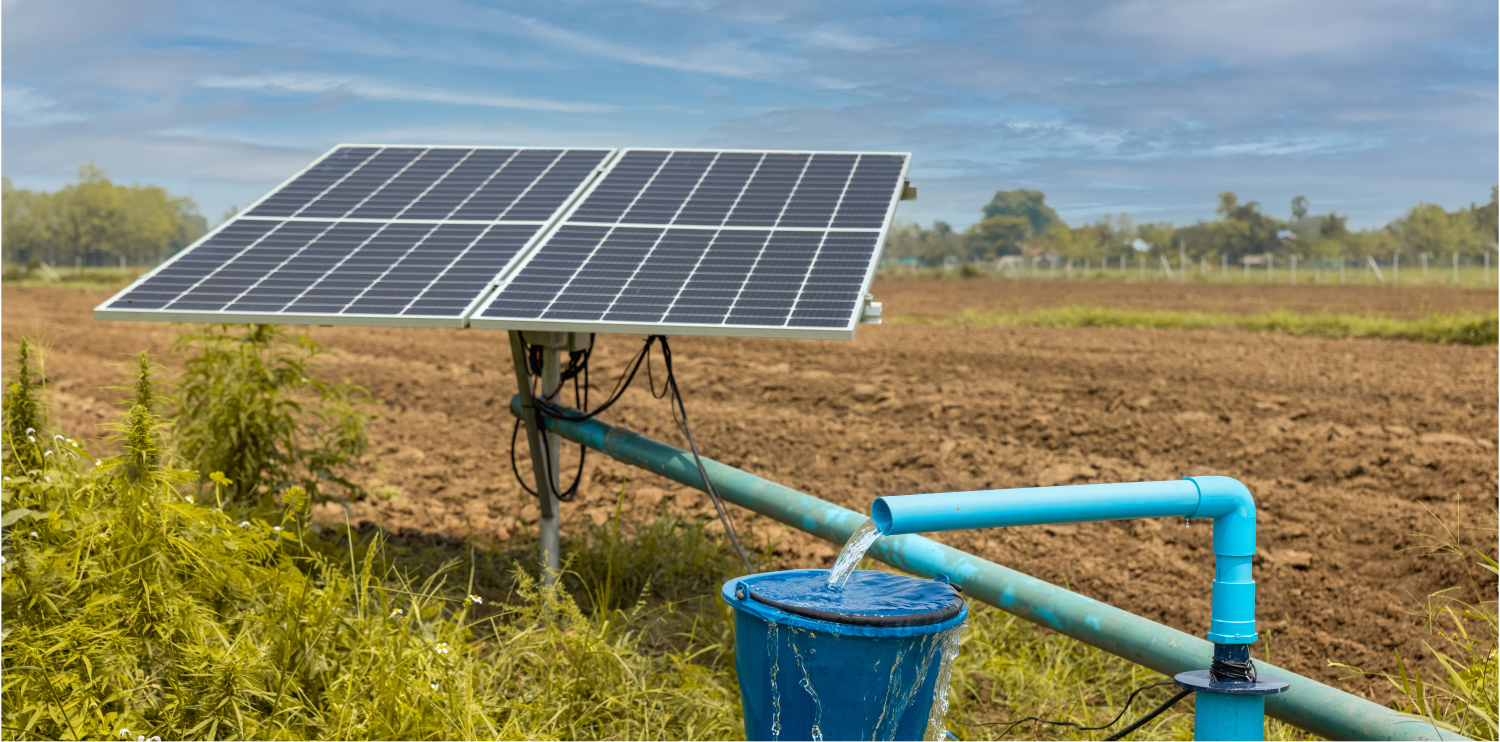
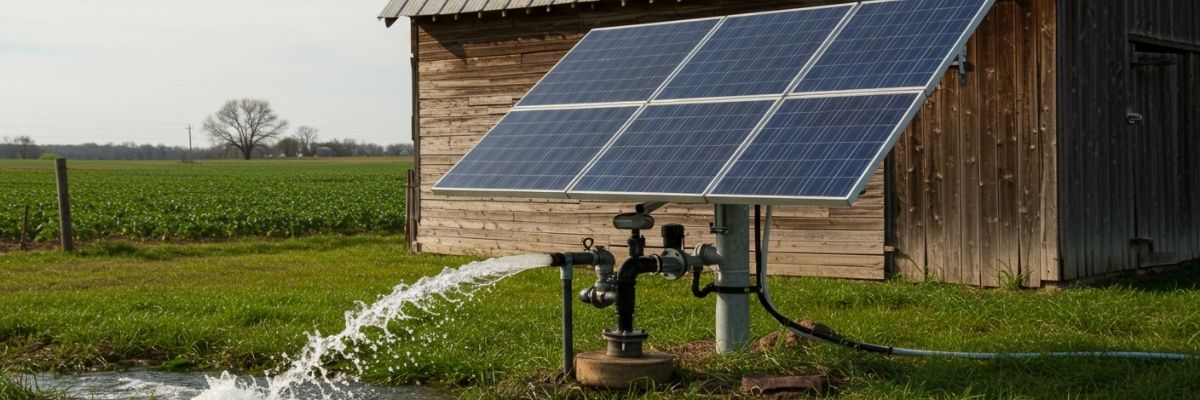
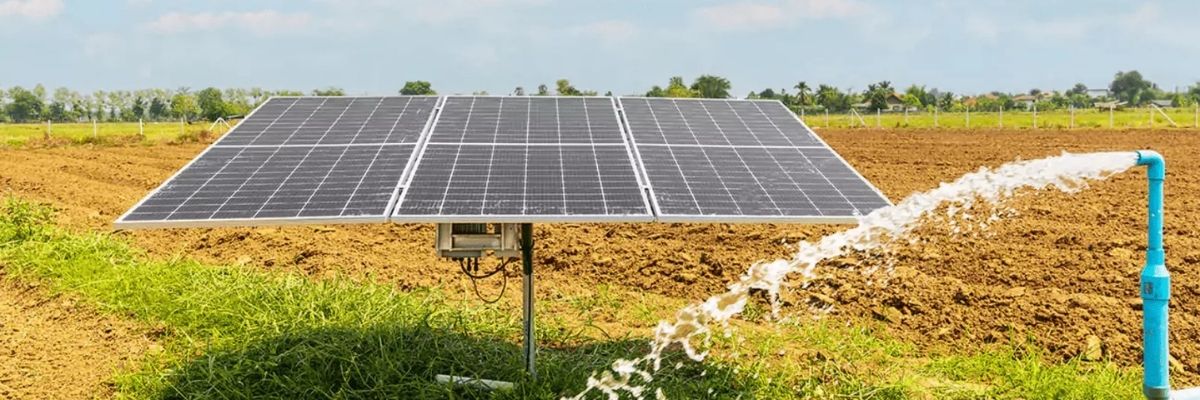
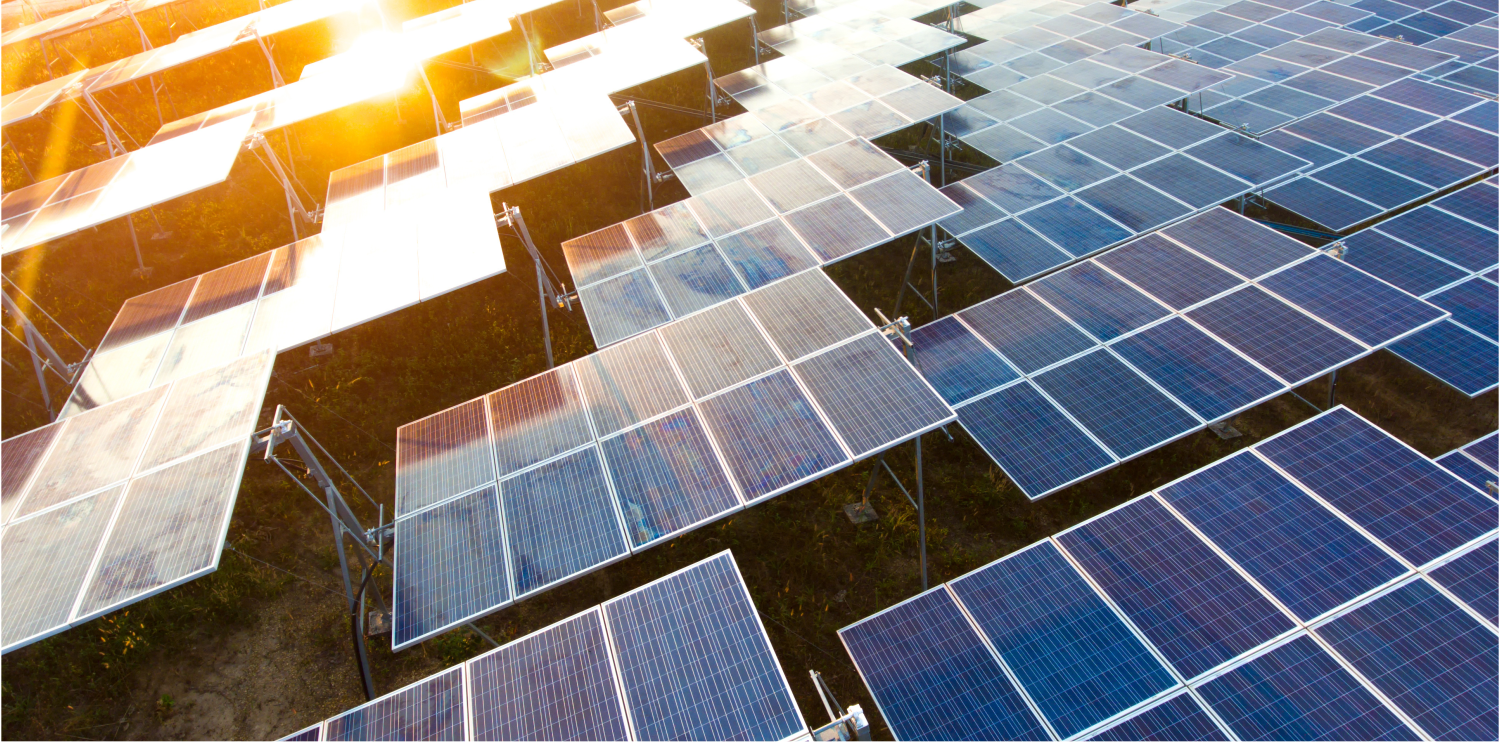
A solar pump is a water pumping system powered by photovoltaic solar panels. Instead of drawing electricity from the grid or burning diesel fuel, it converts sunlight directly into power to run the pump. The result is a system that works as long as the sun is shining, which in the UAE, is most of the day, most of the year.
Solar pumps can draw water from wells, rivers, lakes, and reservoirs, making them suitable for a wide range of agricultural irrigation needs. They come in different sizes and capacities, making them adaptable for small family farms as well as large commercial operations.
Why UAE Farmers Are Making the Switch
The UAE's farming community faces a unique set of challenges that make solar pumps particularly attractive:
Rising Energy Costs Traditional water pumping systems rely on grid electricity or diesel generators both of which come with significant and unpredictable ongoing costs. For farms in remote areas, getting a grid connection can be expensive or simply not feasible. Diesel adds fuel costs, maintenance headaches, and supply chain risks. A solar-powered pump eliminates all of these concerns after the initial installation.
Abundant Sunshine The UAE receives some of the highest levels of solar irradiance in the world. This means solar panels generate power efficiently and consistently throughout the year making the UAE one of the best possible environments for solar pump technology. What's a challenge for traditional agriculture becomes a genuine advantage for solar-powered systems.
Remote Farm Locations Many UAE farms and agricultural plots are located in areas where grid infrastructure is limited or nonexistent Solar pumps work completely off-grid, giving farmers in remote areas access to reliable water supply without the cost or complexity of connecting to the electricity network.
The Real Cost Savings
The financial case for solar pumps is straightforward. After the initial investment in the system, the daily running costs are virtually zero. No electricity bills. No fuel purchases. No generator maintenance. Over the lifespan of the system which can run for many years with minimal upkeep, the savings add up significantly.
For farmers who previously relied on diesel pumps, the switch to solar can dramatically reduce monthly operating expenses. And unlike grid-connected systems, a solar pump isn't affected by power outages or electricity price fluctuations giving farmers greater financial stability and predictability.
What Can Solar Pumps Be Used For?
Solar pumps are incredibly versatile on the farm. Here are the most common applications for UAE farmers:
Agricultural Irrigation: Delivering water to crops, orchards, and greenhouses consistently and on schedule without the need for manual intervention or grid power.
Livestock Watering: Providing a reliable, continuous water supply for cattle, goats, camels, and other livestock on remote farms and ranches.
Groundwater Extraction: Pumping water from deep wells or boreholes in areas where surface water is scarce, a common need across many parts of the UAE.
Water Storage Tank Filling: Pumping water into storage tanks during daylight hours for use throughout the day and night.
Drip Irrigation Systems: Powering low-pressure drip irrigation setups that deliver water directly to plant roots, minimising waste and maximising efficiency.

Solar Pumps and Water Conservation
Water conservation is one of the most pressing challenges facing UAE agriculture. Combining a solar pump with an efficient drip irrigation system is one of the most effective ways to significantly reduce water consumption on the farm. The pump delivers water precisely when and where it's needed, while the drip system ensures minimal evaporation and runoff.
This combination doesn't just save money, it helps farmers contribute to the UAE's broader sustainability goals and water conservation efforts.
Things to Consider Before Buying a Solar Pump
If you're thinking about making the switch to a solar-powered pump, here are a few things to keep in mind:
Water source and depth: The type of pump you need depends on where your water is coming from and how deep it is.
Daily water requirement: Calculate how much water your farm needs per day to choose the right pump capacity.
Sunlight hours: Consider how many peak sunlight hours your location receives to determine the number of solar panels needed.
Storage: If you need water at night or on cloudy days, you'll need a storage tank large enough to cover demand outside of pumping hours.
Installation: Choose a supplier who can provide guidance on the right setup for your specific farm and location.
The Future of Farming in the UAE Is Solar
The shift towards solar-powered agriculture in the UAE isn't a trend, it's a direction. As the country continues to invest in food security, sustainable farming, and clean energy, solar pumps are set to play an increasingly important role in how UAE farmers manage their water supply and operational costs.
For farmers who want to reduce costs, improve reliability, and align with the UAE's sustainability vision, a solar water pump is one of the smartest investments available today.
Explore our range of solar pumps at WholesaleUAE and find the right solution for your farm.